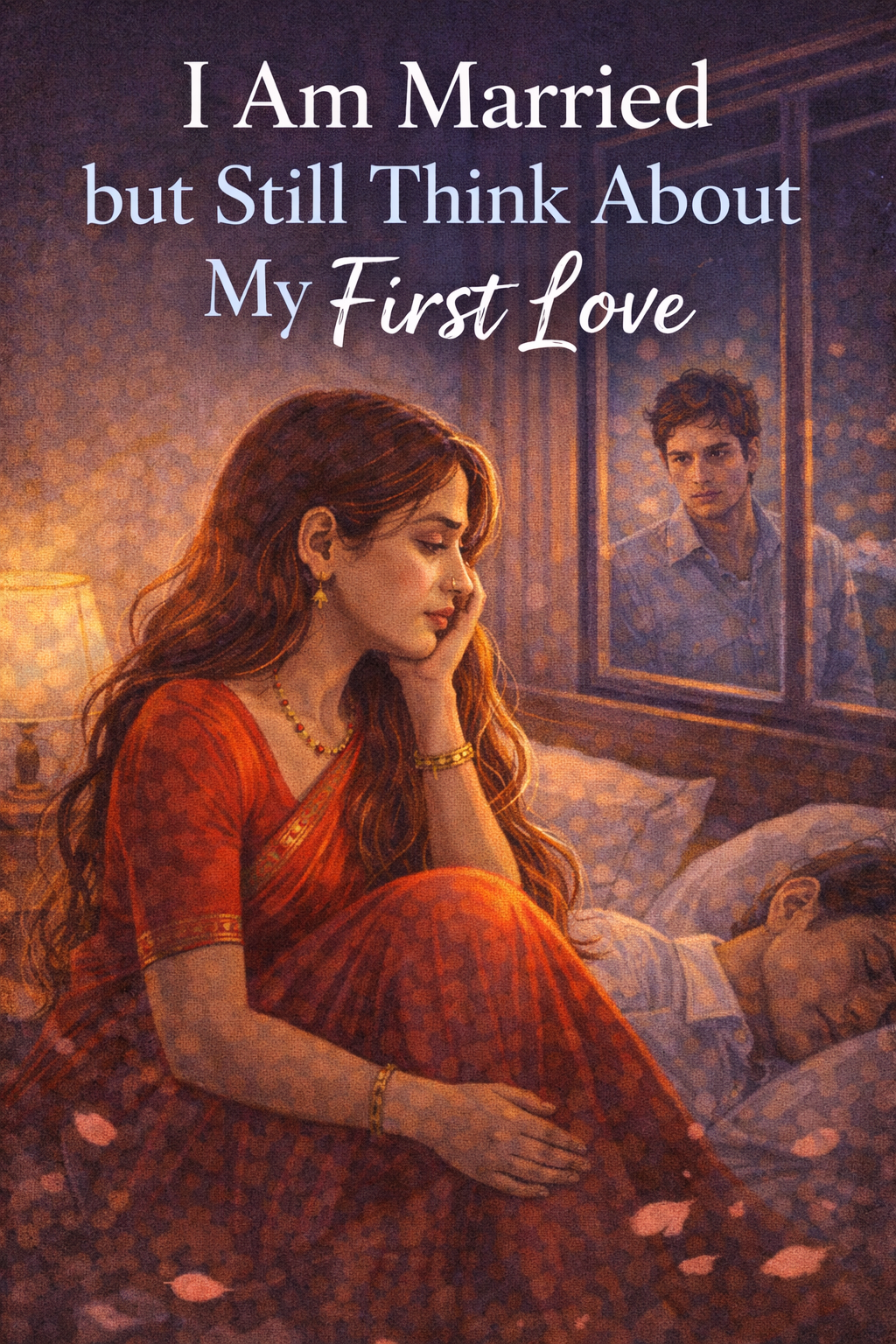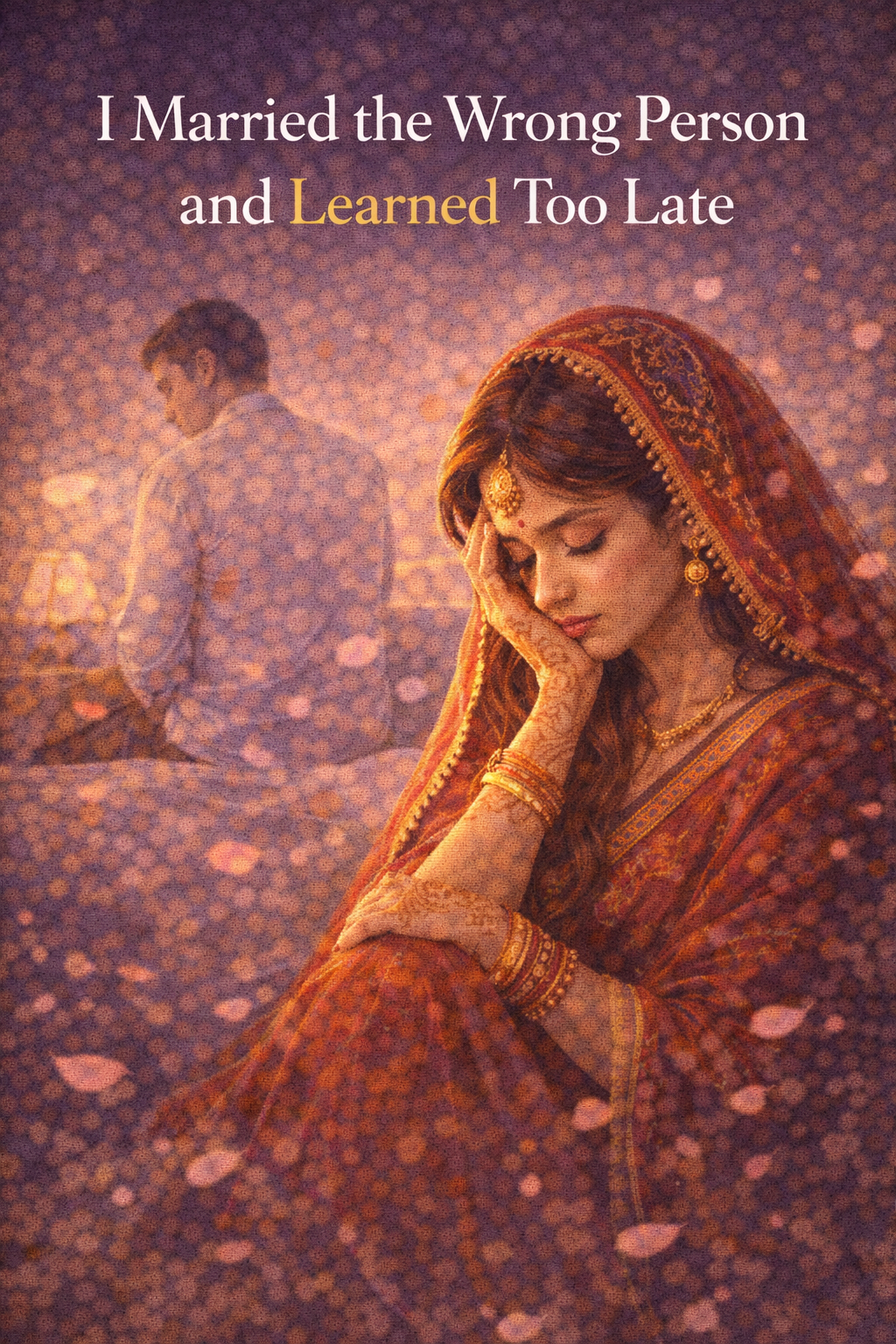
No one plans to marry the wrong person.
We don’t stand at the altar thinking, This is a mistake. We smile, we promise, we believe. We convince ourselves that love, commitment, and effort will be enough to carry us through anything.
That’s what I believed.
I didn’t marry someone I disliked. I didn’t marry out of pressure alone. I didn’t ignore obvious red flags—at least not the kind people warn you about.
And yet, I married the wrong person.
I just didn’t realize it until it was too late.
The Choice That Made Sense at the Time
At the time, the decision felt right.
They were kind. Responsible. Reliable. Someone my family approved of. Someone my friends trusted. Someone who wanted a future that aligned neatly with the one I thought I should want.
There was no chaos. No uncertainty. No dramatic pushback from the people around me.
Everything fit.
And when everything fits, you stop questioning whether it actually feels right.
Confusing Compatibility With Love
We were compatible in the ways that look impressive on paper.
We wanted similar lifestyles. We agreed on finances. We planned responsibly. We shared values that sounded good when spoken aloud.
But compatibility isn’t intimacy.
I didn’t understand that then.
I mistook ease for depth. Stability for connection. Agreement for emotional closeness.
I told myself passion fades, and what matters is partnership.
That belief carried me further than it should have.
The Quiet Doubts I Ignored
The doubts were there.
They didn’t shout. They whispered.
I noticed moments when conversations felt shallow. When vulnerability felt awkward. When I hesitated to share my inner thoughts because I wasn’t sure they’d be received.
I told myself this was normal. That no relationship feels exciting all the time. That maturity meant choosing calm over intensity.
So I ignored the quiet voice inside me asking for more.
I convinced myself that wanting more was selfish.
Marriage Didn’t Fix What Was Missing
People say marriage changes everything.
In some ways, it does.
But it doesn’t create what was never there.
Once we were married, the gaps became clearer. The emotional distance grew more obvious. We functioned well as a team—but not as partners who deeply understood each other.
We talked logistics more than feelings. We solved problems efficiently but avoided emotional discomfort.
I felt lonely in a way that surprised me—because I wasn’t alone.
The Moment I Knew
There was a moment when the truth became undeniable.
I was sharing something that mattered deeply to me—a fear, a hope, a piece of myself that needed to be heard.
They listened politely.
But they didn’t see me.
There was no curiosity. No emotional engagement. No instinct to lean in.
That’s when it hit me.
This wasn’t a rough phase.
This was the relationship.
Loving Someone Isn’t the Same as Belonging With Them
I cared about my spouse.
I still do.
But caring isn’t the same as belonging.
Belonging feels like safety without silence. It feels like being understood without explanation. It feels like home.
What we had was respect. Cooperation. Familiarity.
What we lacked was emotional resonance.
And marriage magnified that absence instead of hiding it.
The Guilt of Realizing It Too Late
Realizing you married the wrong person doesn’t bring relief.
It brings guilt.
I felt guilty for doubting my vows. Guilty for wanting something different. Guilty for questioning a life that others admired.
I wondered if I was ungrateful. If I expected too much. If the problem was me.
Those questions kept me trapped longer than I should have been.
Trying to Make It Work Anyway
I didn’t give up easily.
I tried communication. Counseling. Effort. Patience.
I tried changing my expectations. Softening my needs. Accepting less.
But you can’t negotiate emotional compatibility.
You can’t force someone to meet you in a place they don’t naturally inhabit.
The harder I tried, the more exhausted I became.
When Resentment Quietly Arrives
Resentment doesn’t arrive dramatically.
It settles in slowly.
I started feeling irritated by small things. Disappointed by missed connections. Hurt by emotional indifference.
I hated that version of myself.
But resentment is what happens when needs go unmet for too long.
And ignoring it only makes it grow.
The Truth I Had to Face
Eventually, I had to face a painful truth:
Staying wasn’t noble.
It wasn’t loyal.
It wasn’t selfless.
It was avoidance.
Avoidance of conflict. Of change. Of admitting that I had made a decision that no longer aligned with who I was.
Accepting that truth felt like failure.
But denying it felt worse.
Ending Something Built on Good Intentions
Ending a marriage like this is complicated.
There was no villain. No betrayal. No dramatic event to point to.
Just two people who tried—and realized that effort alone couldn’t create emotional connection.
Walking away felt devastating.
But staying would have meant living half a life.
What I Learned From This Marriage
This marriage taught me things I wish I had known earlier:
- Love requires emotional presence, not just commitment
- Stability without intimacy leads to loneliness
- Ignoring doubts doesn’t make them disappear
I learned that choosing the “right” person isn’t about external approval.
It’s about internal alignment.
For Anyone Questioning Their Marriage
If you’re reading this while questioning your own marriage, know this:
Doubt doesn’t mean you’re ungrateful.
Wanting connection doesn’t mean you’re selfish.
Acknowledging truth doesn’t mean you failed.
Sometimes, people make the best choice they can with the information they have.
And sometimes, they outgrow that choice.
Where I Am Now
I don’t regret trying.
I regret ignoring myself.
Today, I understand what I need in a partnership. What emotional compatibility feels like. What it means to be truly seen.
That clarity came at a cost—but it came.
And I carry it with me.
Final Reflection
I married the wrong person.
Not because they were bad.
Not because love was absent.
But because emotional alignment was missing—and I didn’t recognize its importance until it was too late.
Some lessons arrive gently.
Others arrive after commitment.
This one arrived after marriage.
And it changed how I understand love forever.